
Choosing the Right Fabric Before You Print
When it comes to custom jacket printing, the fabric you start with matters just as much as the design itself. Cotton and denim are two of the most popular choices for jackets, but they behave very differently once ink, embroidery, or heat transfer is applied. Understanding these differences upfront can save you from a print job that looks great on paper but disappoints once it is on the actual garment.
How Cotton Jackets Handle Printing
Cotton is a soft, breathable, and relatively smooth fabric, which makes it one of the most forgiving materials to print on. Its tighter, more even weave allows ink and transfers to sit cleanly on the surface, resulting in sharper lines and more accurate colors. This is especially useful for detailed logos, fine text, or designs with gradients, since cotton does not distort the print the way a heavier textured fabric might.
Cotton jackets also tend to work well with a wider range of printing techniques, including screen printing, direct-to-garment printing, and embroidery. For anyone building a customized jacket with intricate branding or a design that needs to stay crisp after repeated wear, cotton is generally the safer starting point.
How Denim Jackets Handle Printing
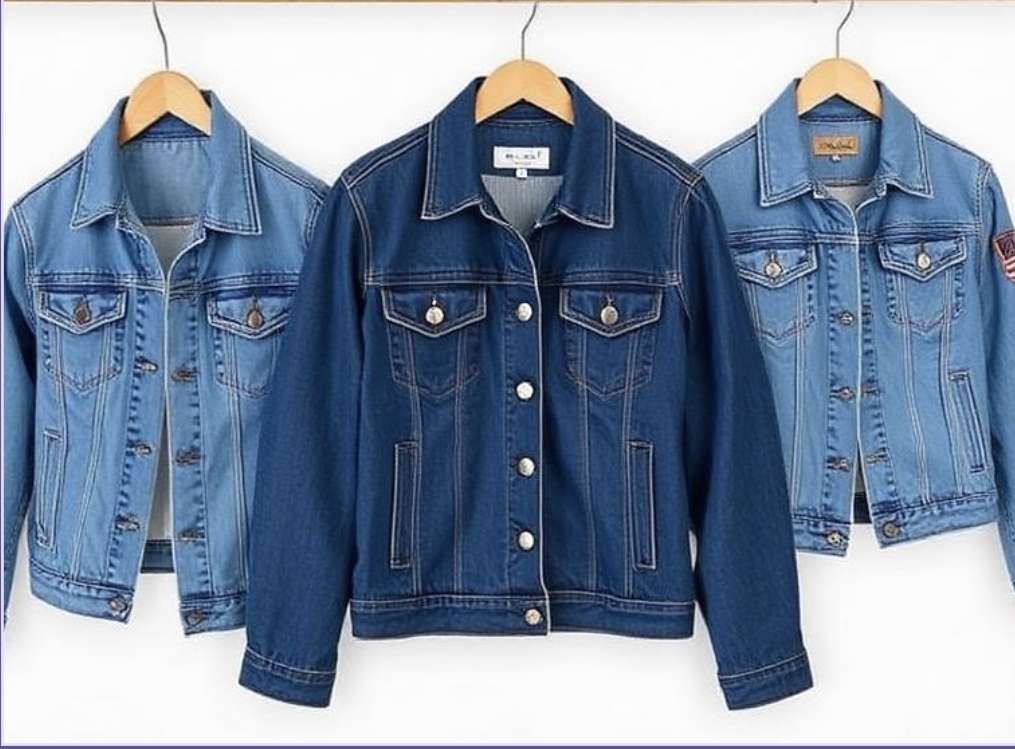
Denim is thicker, more rigid, and has a noticeably rougher surface texture compared to cotton. This texture can actually work in a design’s favor for certain looks, giving prints a slightly worn, vintage feel that suits streetwear or heritage-style branding. However, that same texture makes fine detail more difficult to achieve, since ink and transfers can settle unevenly across the weave.
Denim also holds heat differently than cotton, which affects how heat-transfer prints cure onto the fabric. Because of this, embroidery and puff prints tend to perform better on denim than delicate, high-detail designs. If you are considering custom jacket printing on denim, it is worth simplifying your design slightly to work with the fabric rather than against it.
Which Fabric Gives Better Results
Neither fabric is universally “better,” it depends entirely on what the jacket is meant to represent.
- Choose cotton if your design has fine detail, multiple colors, or needs a clean, corporate finish
- Choose denim if you want a more rugged, textured, or vintage-inspired print aesthetic
- Choose embroidery over flat prints if the jacket will see heavy daily wear, since stitched designs tend to outlast printed ones on both fabrics
Why Sample Checks Still Matter
Just like with t-shirts, the color you see on a screen does not always match what appears on the actual jacket fabric. Cotton and denim absorb ink differently, and denim’s natural indigo or dark tone can subtly shift lighter colors once printed. For anyone ordering a customized jacket for a brand, team, or event, checking a physical print sample before committing to a full batch remains the most reliable way to avoid surprises on delivery day.
Getting the Best of Both Worlds
Many customers assume they have to pick one fabric over the other, but the decision really comes down to purpose. A corporate giveaway jacket with a company logo will usually look cleaner on cotton, while a limited-edition streetwear piece might benefit from the character denim brings to a design. Knowing your end use before choosing fabric saves both time and reprint costs later.
Making the Final Decision
If you are unsure which fabric suits your design, it helps to bring your artwork to a printer who can show you both options side by side on real fabric samples. Seeing how a design actually sits on cotton versus denim, rather than guessing from a digital mockup, is the fastest way to land on a jacket that looks exactly as intended once printed.
Frequently Asked Questions
Is cotton or denim easier to print detailed designs on? Cotton is easier for fine, detailed designs due to its smoother, tighter weave.
Does denim change how printed colors look? Yes, denim’s natural dark tone can slightly alter how lighter print colors appear compared to cotton.